Is a Variable Speed Pool Pump Worth It in Arizona? Energy Savings Explained
Calculate how much you could save with a variable speed pump vs single speed. Real-world Arizona energy costs and ROI for Phoenix pool owners.
Is a Variable Speed Pool Pump Worth It in Arizona? Energy Savings Explained
[AddInfographic]
Pool pumps are one of the largest energy consumers in Arizona homes, often rivaling the air conditioner during peak summer months. If you own a pool built before 2021, you might still be running a single-speed pump that is silently inflating your APS or SRP bill.
We often tell our clients that the pool industry changed fundamentally with the passing of Arizona Title 44-1375 and recent Department of Energy (DOE) regulations.
From what we’ve seen in the field, the “upgrade question” isn’t just about saving a few dollars; it’s about compliance and modernizing your home’s most expensive appliance. New regulations essentially mandate variable-speed technology for filtration pumps over 1 horsepower (HP).
Let’s look at the real numbers, the specific Arizona laws, and the exact features you need to survive the desert dust.
The Energy Difference: Why It Matters in Phoenix
Single-Speed Pump Consumption
Traditional single-speed pumps are like driving a car with the gas pedal bricked to the floor—they run at full power (3,450 RPM) regardless of whether they are vacuuming debris or just gently circulating water.
A typical 1.5 HP single-speed pump draws approximately 1,800 to 2,200 watts continuously.
Running 8 hours daily (a standard Phoenix summer schedule):
- Daily: 14-18 kWh
- Monthly: 420-540 kWh
- Annual: 5,000-6,500 kWh
At Arizona’s average electricity rate of roughly $0.16/kWh (based on 2025/2026 averages), that single-speed pump costs you $800 to $1,040 per year to operate.
Variable Speed Pump Consumption (The Affinity Law)
The magic of variable-speed pumps (VSPs) lies in the “Pump Affinity Law.” This hydraulic principle states that if you reduce the pump speed by half, the power consumption drops to one-eighth.
For basic circulation, a VSP can run at low RPMs (around 1,000-1,750 RPM) while using a fraction of the power.
A comparable variable-speed pump running the same total hours:
- Daily: 3-6 kWh
- Monthly: 90-180 kWh
- Annual: 1,100-2,200 kWh
Annual cost: $175-$350 per year. That is a verifiable savings of roughly $600-$700 annually for most Phoenix households.
Return on Investment Calculation
Upfront Costs
Installing a quality VSP in the Phoenix metro area typically costs between $1,800 and $2,800 depending on the model and plumbing complexity.
Subtract potential utility rebates (Note: these vary by provider):
- SRP: Currently offers rebates up to $135 per HP (roughly $400 for a 3HP pump).
- APS: Residential pool pump rebate programs have been largely discontinued or are subject to frequent change; always check their current “Smart Home” offers before buying.
Net cost (estimated with SRP rebate): $1,400 - $2,400
Payback Period Table
Here is how the math works out over a standard 5-year period.
| Feature | Single-Speed Pump | Variable-Speed Pump |
|---|---|---|
| Upfront Cost | ~$800 (Replacement Motor) | ~$2,200 (New Install) |
| Annual Energy Cost | $900 | $250 |
| 5-Year Energy Cost | $4,500 | $1,250 |
| Total 5-Year Cost | $5,300 | $3,450 |
Even with the higher initial price tag, the VSP puts you ahead by nearly $2,000 within five years.
Beyond Energy: Other Benefits
Quieter Operation
If your pool equipment pad is near a bedroom window, this upgrade is a life-changer. Old single-speed pumps roar at about 65-80 decibels (comparable to a vacuum cleaner).
We install units like the Pentair IntelliFlo3 which can operate as low as 45 decibels at low speeds. That is quieter than a moderate rainfall, meaning you can run the pump overnight to take advantage of off-peak electricity rates without waking the neighbors.
Better Filtration
It sounds contradictory, but slower water flow actually filters better. When water rushes through your cartridge or sand filter at high speed, fine dust (common during Arizona monsoons) can be forced right through the media and back into the pool.
By dropping the flow rate, the filter media can capture much smaller particles, resulting in visibly clearer water.
Longer Equipment Life
Running at lower speeds reduces heat and vibration, which are the primary enemies of mechanical equipment. This extends the life of the pump’s motor, seals, and bearings.
Automation systems like Jandy iAquaLink or Pentair ScreenLogic also allow you to ramp up speed only when necessary, such as when running a heater or a suction-side cleaner, protecting your entire pad’s ecosystem.
Arizona-Specific Considerations
The “Title 44” Law
You should know that Arizona Revised Statute Title 44-1375 prohibits the installation of new single-speed pumps or motors of 1 HP or greater in residential pools.
This means if your old 1.5 HP motor burns out, a legitimate contractor cannot legally replace it with another single-speed unit. You are essentially required by state and federal law to upgrade to a two-speed or variable-speed unit.
Dust and TEFC Motors
Arizona dust is finer and more abrasive than soil in other parts of the country. When choosing a pump, we highly recommend looking for a TEFC (Totally Enclosed Fan Cooled) motor.
Unlike standard motors that pull outside air (and dust) through the internal windings for cooling, TEFC motors are sealed against the elements. This design is critical for longevity in our dusty environment.
Bonding Wire Pitfalls
One common issue we see during Phoenix installations involves the “bonding wire”—that thick bare copper wire that sticks out of the concrete near your equipment pad.
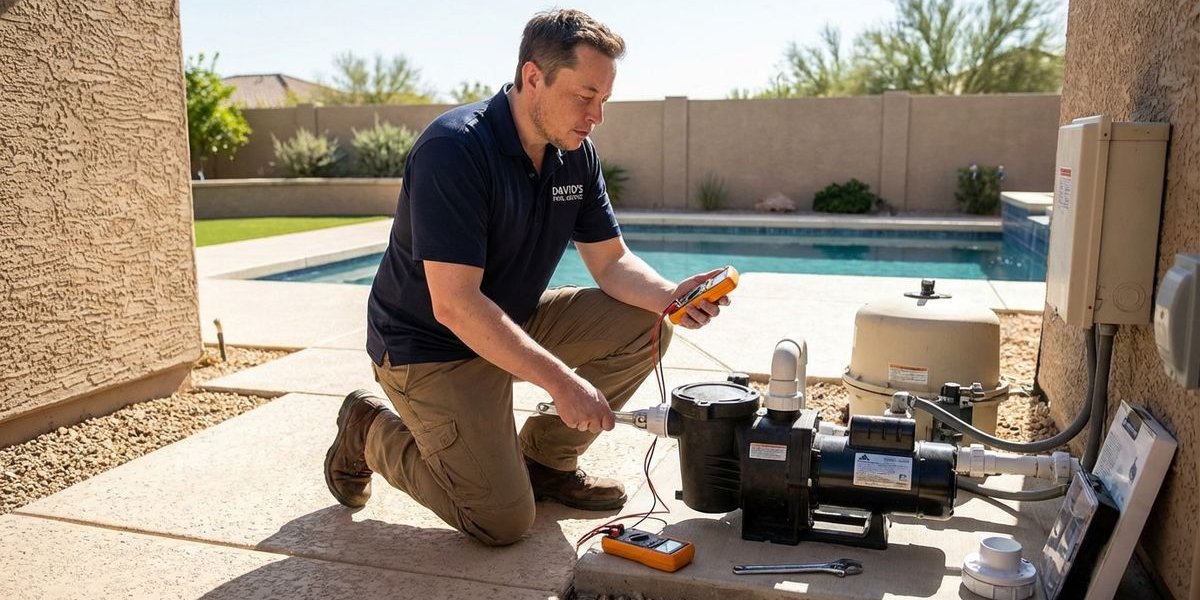
This wire connects the pump to the pool’s steel shell and deck to prevent electrical shock. In older Arizona homes, this copper wire is often corroded or broken. A professional installation must verify this bond is intact to meet safety codes; simply swapping the pump without checking this can create a dangerous electrical hazard.
Making the Switch
When to Upgrade
The best times to make the move include:
- Immediate Failure: When your current pump screams or hums but won’t start.
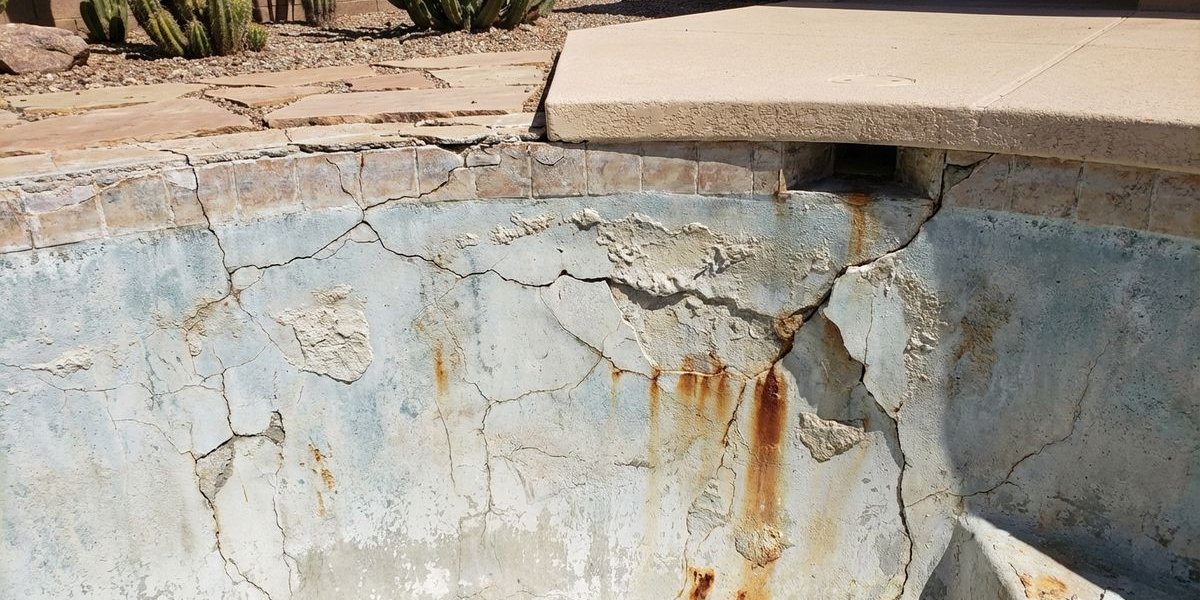
- Resurfacing Projects: If you are draining the pool for new plaster (like a PebbleTec upgrade), it’s the perfect time to modernize the plumbing.
- Pre-Summer: Installing in March or April ensures you get the energy savings during the expensive May-October billing cycles.
What to Look For
Key features for Arizona pools:
- WEF Rating: Look for a high “Weighted Energy Factor.” The higher the number, the more efficient the pump.
- Freeze Protection: Essential for those few Phoenix nights that drop below 32°F; most modern VSPs have this built-in.
- Union Connectors: Ensure the pump comes with high-temp unions for easy removal during future repairs.
Professional Installation
Proper installation involves more than just connecting wires.
- Programming: We program the pump’s RPMs specifically for your pool’s gallonage and plumbing size (e.g., ensuring you have enough flow for the skimmers to actually skim).
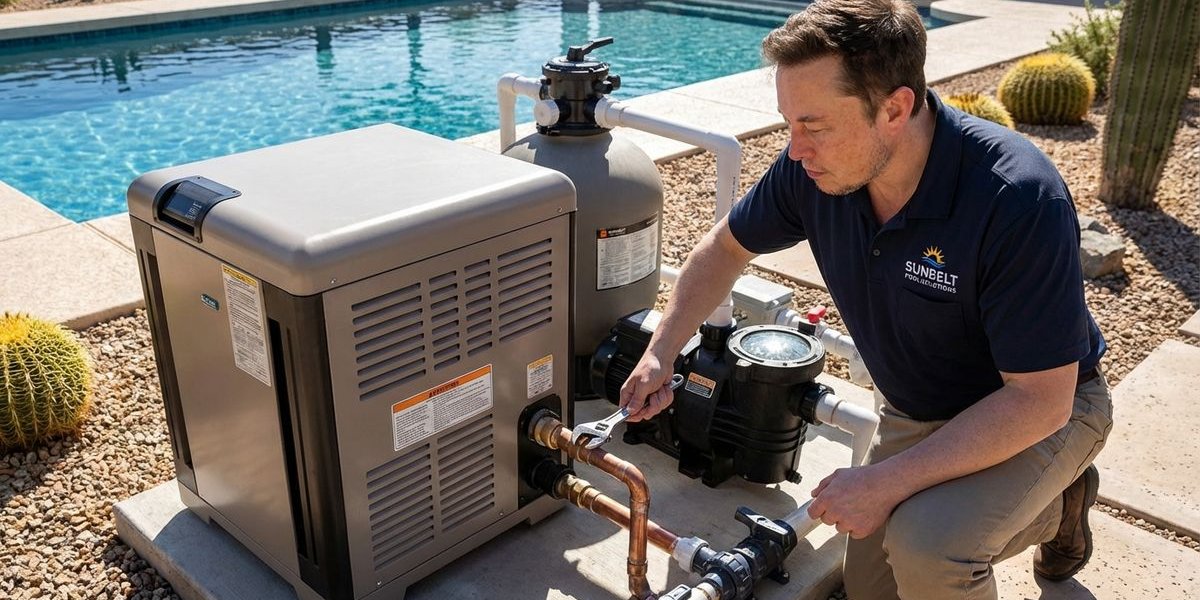
- Plumbing: We often have to install heat-resistant CPVC piping directly in and out of the pump to prevent warping from the desert heat.
- Warranty: Most manufacturers (Pentair, Hayward, Jandy) offer extended 3-year warranties only if the unit is installed by a qualified professional. DIY installs are often limited to a 60-day warranty.
Our Take
For Arizona pool owners, variable-speed pumps are one of the few home upgrades that actually pay for themselves. The combination of complying with Title 44, silencing your backyard, and slashing your APS/SRP bill makes it a clear choice.
David Resurface was founded with a simple mission: to provide exceptional pool remodeling and resurfacing services that customers can truly rely on. Our pool equipment services include pump installation, and we can help you verify your bonding wire and electrical setup during the upgrade.
Call (602) 619-1234 to discuss pump upgrade options.
David
Pool Resurfacing Expert at David Resurface