Pool Heater Options for Arizona: Gas vs Electric vs Solar
Compare pool heating options for the Phoenix area. Installation costs, operating costs, and which heater type works best for year-round swimming.
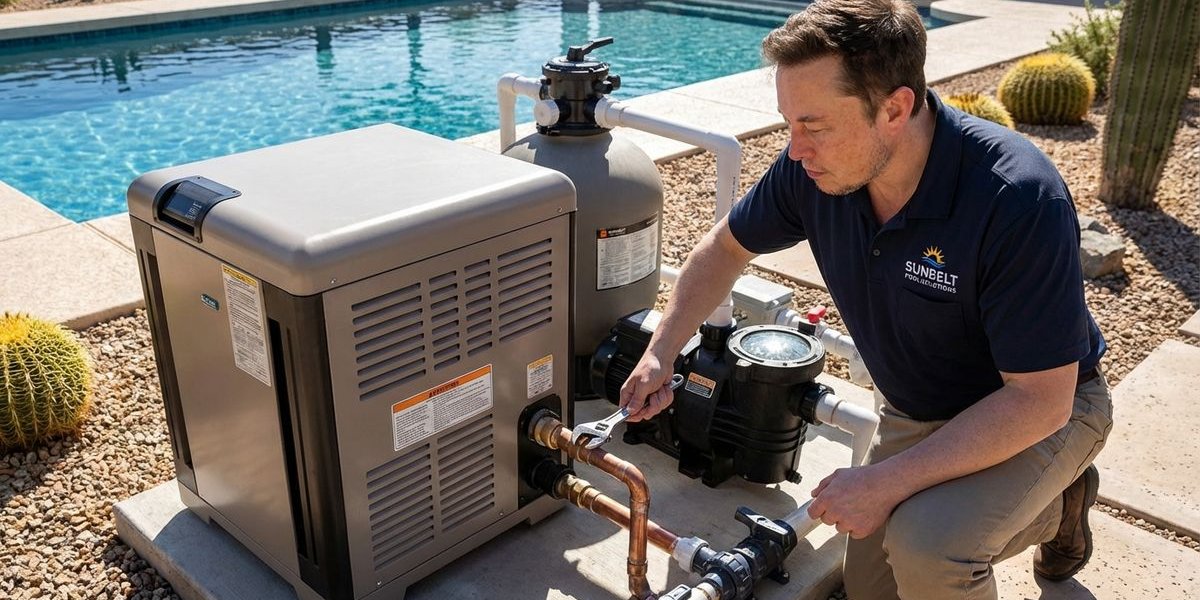
Arizona’s mild winters make year-round swimming possible with the right heating system. But which type of heater makes the most sense for your specific backyard? Let’s compare your options.
Quick Comparison
| Feature | Gas Heater | Heat Pump | Solar |
|---|---|---|---|
| Install Cost | $$ ($2.5k - $5k) | $$$ ($4k - $7k) | $$$ ($5k - $10k) |
| Operating Cost | High ($300+/mo) | Low ($50-$150/mo) | Free (Pump only) |
| Heating Speed | Fast (1-2°F/hr) | Slow (Gradual) | Very Slow |
| Best For | Spas & Weekends | Daily Swimmers | Extending Season |
Gas Pool Heaters
How They Work
Natural gas or propane heaters burn fuel to generate heat, which transfers directly to pool water. They work regardless of the outside temperature.
Installation Cost
Expect to pay between $2,500 and $5,000 for a professional installation in the Phoenix area. We find that the final price depends heavily on these factors:
- BTU capacity needed: Larger pools need 400k BTU units like the Hayward Universal H-Series to heat effectively.
- Gas line access: If you need to run a new line from your meter to the equipment pad, costs rise significantly.
- Venting: Indoor or covered installations require specialized venting kits.
Operating Cost
Gas heaters are the most expensive to operate. From what we see on local Southwest Gas bills, you can expect to pay:
- $300-$600/month if running regularly to maintain temperature.
- $10-$15 per hour of operation for a standard 400k BTU heater.
- Costs fluctuate directly with natural gas market rates.
Pros
- Fastest heating: Raises temperature 1-2°F per hour, making it the only “on-demand” solution.
- Works in any weather: Cold January nights in the 30s won’t stop this heater from working.
- Best for occasional use: Perfect for heating a spa or warming the pool for a single weekend party.
- Lower initial cost: Generally the cheapest equipment to purchase upfront.
Cons
- Expensive to operate: We often see homeowners stop using them after receiving their first winter gas bill.
- Shorter lifespan: Typical units like the Pentair MasterTemp last 5-10 years before heat exchangers corrode.
- Inefficient: older models waste significant heat; newer models like the Pentair ETi 400 reach 96% efficiency but cost more.
- Requires gas supply: Not all Phoenix neighborhoods have natural gas lines.
Best For
Pool owners who:
- Heat the pool occasionally (weekends, parties).
- Want fast results for a spa or hot tub.
- Have existing natural gas connections.
- Don’t plan to swim every single day.
Electric Heat Pumps
How They Work
Heat pumps don’t generate heat—they transfer it from the air. Like an air conditioner in reverse, they extract heat from ambient air and transfer it to your pool water.
Installation Cost
Installation typically ranges from $4,000 to $7,000. Our team finds that electrical upgrades are the most common hidden cost here.
- BTU capacity: Most Arizona pools need a 110k to 140k BTU unit.
- Electrical requirements: You need a dedicated 50-60 amp breaker, which may require a panel upgrade.
- Unit efficiency: Higher COP (Coefficient of Performance) units cost more upfront but save monthly.
Operating Cost
Heat pumps are incredibly efficient in our climate.
- $50-$150/month for regular daily use.
- Efficiency: For every $1 of electricity, you get $5-$6 worth of heat (COP of 5.0-6.0).
- Costs are predictable and pair perfectly with solar electric systems.
Pros
- Very efficient: Lowest operating cost for reliable, demand-based heating.
- Long lifespan: Quality titanium heat exchangers can last 10-20 years.
- Summer cooling: Many models, like the AquaCal HeatWave, can reverse to cool your pool in August.
- Good for regular use: Economical for daily swimming routines.
Cons
- Slower heating: It may take 24-48 hours to raise the temperature significantly.
- Weather dependent: Efficiency drops when air temperatures fall below 50°F.
- Higher upfront cost: More expensive to buy than gas heaters.
- Cold limits: In January, they may struggle to maintain 85°F if nights are freezing.
Best For
Pool owners who:
- Swim regularly or daily for exercise.
- Want lower monthly operating costs.
- Can wait for gradual heating.
- Live in the Valley where daytime highs rarely stay below 50°F.
Solar Pool Heaters
How They Work
Pool water circulates through solar collectors (usually on the roof) where the sun directly heats it before returning to the pool.
Installation Cost
Systems range from $5,000 to $10,000+. Price varies based on:
- Collector size: You typically need solar panels equal to 50-100% of your pool’s surface area.
- Roof type: Tile roofs often require more expensive mounting hardware than shingle or flat roofs.
- Plumbing complexity: Long pipe runs to a second-story roof increase labor costs.
Operating Cost
Essentially free after installation.
- Only cost is running the pump slightly longer or at a higher speed.
- No fuel or significant electricity cost.
- Lock in your energy price at $0 forever.
Pros
- Zero operating cost: Free heat from the Arizona sun.
- Very long lifespan: 15-25 years for quality systems like Heliocol.
- Environmentally ideal: Purely renewable energy with no emissions.
- Simple technology: Few moving parts to fail.
Cons
- Highest upfront cost: Substantial initial investment.
- Weather dependent: No sun means no heating.
- Slowest heating: It takes days to raise temperature significantly.
- Roof aesthetics: Large black panels will be visible on your roof.
- Cannot overheat: You cannot dial in a specific temperature on demand like gas.
Best For
Pool owners who:
- Want to extend swimming season (March-May and Sept-Nov).
- Have large, south or west-facing roof space.
- Plan to stay in the home for 5+ years to see ROI.
- Prioritize environmental impact.
Arizona-Specific Recommendations
For Year-Round Swimming
A heat pump is usually the best choice in Phoenix.
- Why: Our daytime highs are perfect for heat pump efficiency.
- Performance: It maintains 80-85°F water even in December for a fraction of gas cost.
- Bonus: Look for a “Heat/Cool” model to lower water temps during our brutal 115°F summers.
For Occasional Winter Heating
Gas heaters make sense if you only swim for holidays or parties.
- Why: You pay for fuel only when you use it.
- Speed: It can turn a 50°F pool into an 85°F pool in 24 hours.
- Warning: Do not try to maintain temperature 24/7 with gas unless budget is unlimited.
For Extended Season
Solar is excellent for adding months to your natural swimming season.
- Why: It bridges the gap in Spring and Fall perfectly.
- Reality Check: Solar will not get your pool to 85°F in January without a backup source.
- ROI: Pays for itself in 3-5 years compared to gas.
For Maximum Control
Consider dual systems.
- Setup: A heat pump for daily maintenance and gas for rapid boosts.
- Flexibility: Use the heat pump for 90% of the year and gas for the coldest weeks.
- Cost: Highest upfront investment but delivers the ultimate luxury experience.
Making Your Decision
Questions to answer:
-
How often will you heat the pool?
- Daily → Heat pump.
- Weekly/occasional → Gas.
- Extended season only → Solar.
-
What’s your budget priority?
- Lowest upfront → Gas.
- Lowest monthly bill → Solar.
- Best balance → Heat pump.
-
How patient are you?
- Need it now → Gas.
- Can plan ahead → Heat pump or solar.
-
Do you have a pool cover?
- Crucial Tip: In Arizona, evaporation causes 70% of heat loss.
- Using a bubble cover can cut your heating bill by 50%, regardless of heater type.
Installation Considerations
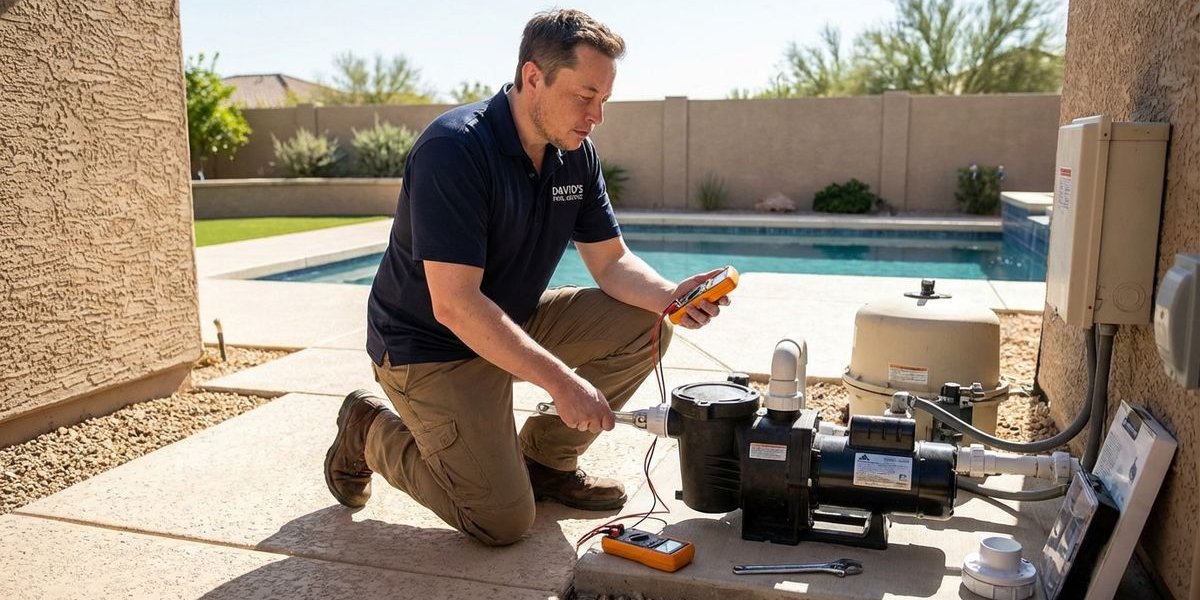
All pool heaters require professional assessment.
- Electrical: Does your panel have room for a 50A breaker?
- Gas: Is your meter large enough to handle a 400k BTU draw?
- Permits: Phoenix and Scottsdale require specific permits for gas line work.
Our pool equipment services include installation of all three heater types, and we can help you evaluate which makes the most sense for your specific situation.
Call (602) 619-1234 to discuss heating options for your pool.
David
Pool Resurfacing Expert at David Resurface