Pool Waterfall Repair vs Demolition: How to Save Your Water Feature
Before you demolish that aging waterfall, consider repair. Learn when water feature repair makes sense and when replacement is truly needed.
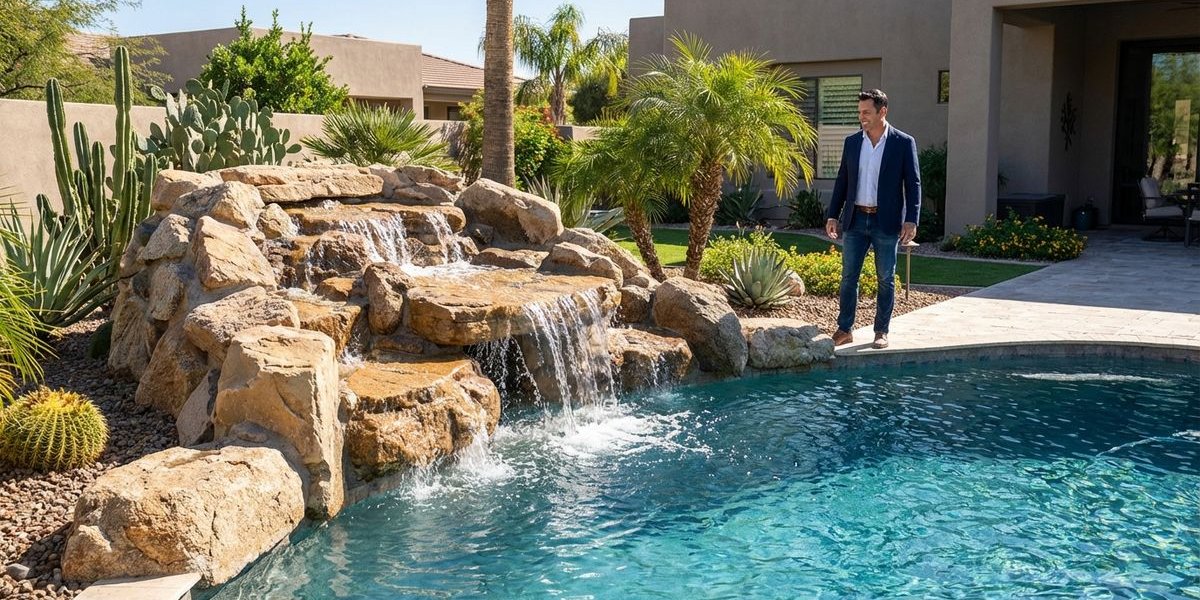
Your pool’s waterfall or rock grotto was likely the centerpiece that sold you on your backyard oasis.
But here in Arizona, the intense UV exposure and constant water flow take a heavy toll.
After a decade, that once-pristine feature often starts looking tired.
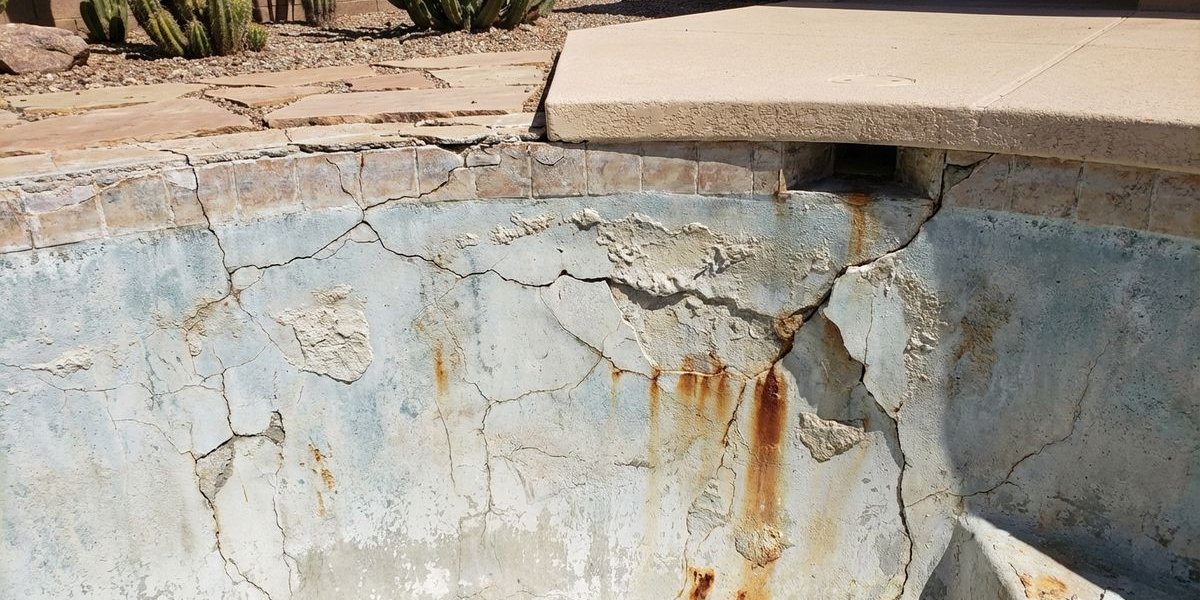
You might see fading paint, crumbling mortar, or calcium buildup that just won’t scrub off.
Many homeowners assume the only fix is a sledgehammer and a check for $30,000.
From our experience at David Resurface, that is rarely the only option. Our water feature repair services specialize in restoration over demolition.
Before you authorize a complete demolition, you need to look at the numbers and the structural reality of what you actually own.
The Demolition Trap
We see a frustrating trend in the Phoenix pool industry regarding water features.
Many general contractors default to recommending a full tear-down for aging waterfalls.
This recommendation often stems from convenience rather than necessity.
Why the industry pushes for replacement:
- Lack of Specialized Artistry: General pool companies are great at plumbing and plaster, but rock repair is an art form. It requires sculpting skills that most standard crews simply don’t possess.
- The Profit Margin Gap: A full rebuild often ranges from $20,000 to $35,000. Comparing that to a repair job of $5,000 shows why companies prefer the larger contract.
- Liability Aversion: Contractors worry that patching an old structure is risky. They prefer the “clean slate” of new construction to avoid warranty callbacks on existing substrates.
- Genuine Damage: Demolition is sometimes required. However, our data suggests that 70% of features marked for demolition are actually candidates for restoration.
When Repair Makes Sense
Repair is a viable, cost-effective strategy in specific scenarios.
We look for three key indicators during our assessments.
Structural Integrity Is Sound
The most critical factor is the condition of the steel-reinforced concrete shell.
If the “bones” of the waterfall are solid, we can fix almost anything on the surface.
Surface issues like hairline cracks (under 1/8 inch), peeling acrylic paint, or worn mortar joints do not mean the structure is failing.
These are cosmetic layers that are designed to be refreshed.
Damage Is Cosmetic
Arizona’s hard water and sun create distinct cosmetic problems.
You might see white calcium scale or bleaching of the artificial rock color.
Fading, peeling finish, and surface deterioration are straightforward fixes that do not require heavy machinery.
Restoration crews can strip these layers and apply new, high-grade polymer-modified cements without touching the structural steel.
The Feature Functions
Water flow is the tell-tale sign of internal health.
If the water flows where it should and you aren’t losing water levels rapidly, the plumbing is likely intact.
Cosmetic restoration becomes a clear winner when the hydraulic function is preserved.
Budget Is a Consideration
The financial argument for repair is compelling.
Restoration typically costs 50% to 70% less than a new build.
For a standard residential waterfall, that difference often leaves $15,000 or more in your bank account.
When Demolition May Be Necessary
We will always be honest if a feature is past the point of no return.
Sometimes, the safety risks or long-term costs make replacement the smarter choice.
Structural Failure
Concrete has a lifespan, and shifting soil can break it.
If the underlying framework has deteriorated, shifted, or collapsed, repair is just a temporary bandage.
Signs of structural failure include:
- Rebar Rust Jacking: This occurs when internal steel rusts and expands, blowing out chunks of concrete from the inside.
- Settling or Tilting: A feature that has physically moved or sunk into the ground indicates base failure.
- Deep Fractures: Cracks wider than 1/4 inch that run through the entire structure suggest the shell is compromised.
- Separation: Large sections drifting away from the main bond beam of the pool.
Complete System Failure
Internal plumbing issues are notoriously difficult to fix in rock features.
When pipes buried inside the concrete collapse or burst, you often have to break the concrete to reach them.
If the plumbing failure is extensive, the cost of demolition to reach the pipes often justifies building a new, modern feature.
Design Issues
Styles change over 15 or 20 years.
If the original feature looks like a relic from the 1990s or blocks a view you now want, replacement offers a functional upgrade.
Extensive Damage
There is a financial tipping point.
When the estimated repair costs exceed 60% of the replacement price, starting fresh ensures you get a full warranty and a longer lifespan.
The Repair Process
Professional restoration is meticulous work that resembles art restoration more than construction.
Here is the protocol we follow to bring a feature back to life.
Assessment
We start with a forensic look at the feature.
- Thorough inspection of all vertical and horizontal surfaces.
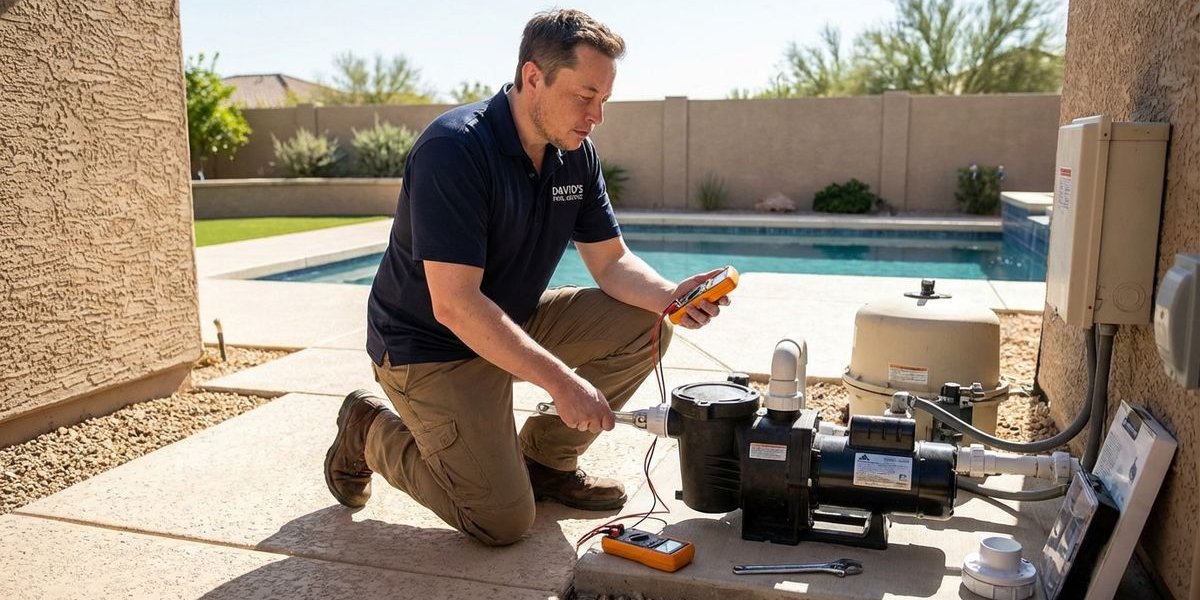
- Pressure testing plumbing to rule out internal leaks.
- Sound-testing concrete with hammers to find “hollow” spots.
- Honest evaluation of whether the investment makes sense.
Surface Preparation
This is the messy, vital part of the job.
- Removal of all loose scale, failing paint, and crumbling mortar.
- Acid washing or grinding to clean the substrate for proper bonding.
- Crack routing and filling with hydraulic cement.
- Stabilization of loose stones using high-strength epoxy.
Restoration
We rebuild the texture to match the surrounding area.
- Application of industrial bonding agents like Weld-Crete to ensure new layers stick.
- sculpting damaged areas with polymer-modified structural mortar.
- Hand-carving texture to mimic natural stone patterns.
- Applying a base coat to seal the porosity of the concrete.
Finishing
The final look comes from skilled painting.
- Multi-layer acrylic stain application to create depth and realism (no flat colors).
- Color matching to blend with existing pool decking or natural rocks.
- Adding “antiquing” effects to highlight crevices and shadows.
- Application of a UV-resistant matte sealer to lock in the color.
Testing
The job isn’t done until the water runs.
- Full flow testing to ensure water falls correctly.
- Leak verification over a 24-hour period.
- Final walkthrough to ensure aesthetic standards are met.
Cost Comparison
Pricing varies, but these 2025/2026 estimates for the Phoenix area provide a realistic baseline.
Labor rates and disposal fees have risen, impacting these numbers significantly.
Water Feature Repair
| Component | Typical Cost |
|---|---|
| Assessment | Free - $150 |
| Surface Repair | $1,500 - $3,500 |
| Refinishing & Paint | $2,500 - $4,500 |
| High-Grade Sealing | $800 - $1,200 |
| Total Estimated Cost | $4,800 - $9,350 |
Demolition and Replacement
| Component | Typical Cost |
|---|---|
| Demolition (Heavy Labor) | $4,500 - $7,500 |
| Disposal (Dump Fees) | $1,500 - $2,500 |
| New Construction | $15,000 - $30,000 |
| Finishing/Start-up | $2,500 - $4,500 |
| Total Estimated Cost | $23,500 - $44,500 |
Potential Savings: By choosing repair, you could save between $18,000 and $35,000.
Maintaining Restored Features
Protecting your investment requires fighting back against the Arizona elements.
Proper maintenance prevents the need for another major repair in the near future.
Annual Inspection
You should walk your feature once a year with a critical eye.
Look for new hairline cracks before they widen.
Verify that water flow is consistent and not channeling behind the rocks.
Check for white, chalky residue that indicates sealer failure.
Sealer Refresh
The sun destroys protective coatings.
Reapply a quality siloxane or acrylic sealer every 2-3 years.
This simple barrier prevents UV rays from fading the paint and keeps water from penetrating the concrete pores.
Water Chemistry
Calcium Hardness is the silent killer in Phoenix pools.
Maintain your calcium levels between 200 and 400 ppm.
High calcium levels leave scale deposits that are incredibly difficult to remove without damaging the paint.
Keep pH levels balanced to prevent acidic water from eating away at the mortar.
Vegetation Management
Roots are powerful enough to crack concrete.
Keep Ficus, bougainvillea, and other aggressive plants trimmed at least 3 feet away from the feature.
Control irrigation overspray so that sprinklers aren’t hitting the waterfall daily.
Questions to Ask Contractors
You need to vet your contractor carefully.
Use these specific questions to separate the salespeople from the craftsmen:
- “Do you have a dedicated artist for the rock work, or is it general labor?”
- Why it matters: You want a specialist, not a generalist.
- “What specific brand of bonding agent and sealer do you use?”
- Why it matters: If they can’t name the product (e.g., Laticrete, RicoRock products), they might be using cheap materials.
- “What is your warranty on the bond of the new patch material?”
- Why it matters: A warranty of less than one year on patches is a red flag.
- “Can you explain the difference between a structural crack and a shrinkage crack?”
- Why it matters: Their answer will reveal their technical knowledge.
- “Can I get a line-item repair estimate alongside the replacement quote?”
- Why it matters: This forces them to run the numbers on repair rather than dismissing it.
A contractor who refuses to discuss repair options is likely looking for the bigger payout of a new build.
Our Approach
David Resurface was founded with a simple mission: to provide exceptional pool remodeling and resurfacing services that customers can truly rely on.
We specialize in the complex work of water feature restoration.
Our philosophy centers on four pillars:
- Assessment First: We use data and testing to evaluate the structure before we ever make a recommendation.
- Repair Centric: Our goal is to save your feature and your money whenever the physics allow it.
- Radical Honesty: If a repair will only last a year, we will tell you that to your face. We do not sell band-aids for bullet wounds.
- Craftsmanship: Our repairs are executed by trained artisans who understand color theory and concrete composition.
Get a Second Opinion
If a contractor has told you that demolition is your only option, pause.
A second opinion costs you nothing but a phone call.
We will come out, assess the concrete hardness, check the rebar condition, and give you a straight answer on repair potential.
Many of our happiest customers are people who were days away from spending $30,000 on a demolition they didn’t need.
Call (602) 619-1234 for a free water feature assessment.
David
Pool Resurfacing Expert at David Resurface