Preparing Your Phoenix Pool for Monsoon Season
Arizona monsoons bring dust, debris, and power outages. Prepare your pool with these tips to avoid algae blooms and equipment damage.
Preparing Your Phoenix Pool for Monsoon Season
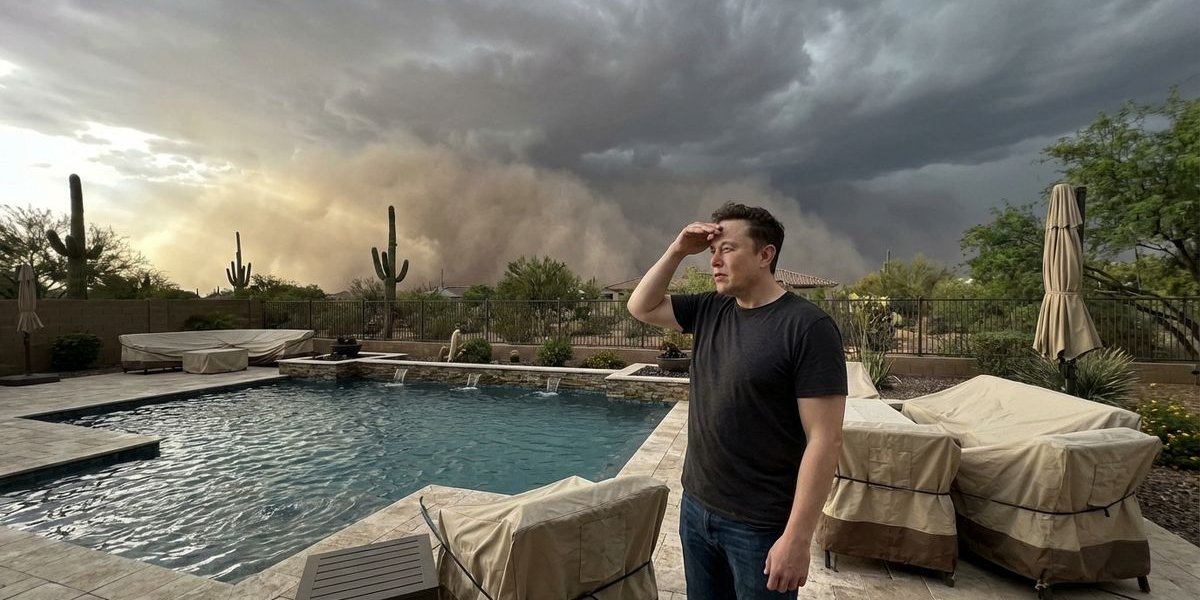
Arizona’s 2025 monsoon season was the wettest we’ve seen in nearly a decade, dumping over 2.76 inches of rain on the Valley and reminding us just how aggressive these storms can be. With the official 2026 season running from June 15 through September 30, we are preparing for another round of intense dust, lightning, and microbursts. A single haboob can drop hundreds of pounds of phosphate-laden dust into your water, turning a clear pool green overnight.
Before Monsoon Season Begins
Inspect Your Equipment Age and Integrity
Older equipment often fails under the stress of a storm surge. We recommend verifying the age of your pump and filter housing before the first storm hits:
- Check the Motor Seals: Heat dries out rubber seals, and the sudden pressure change from a storm can cause immediate leaks.
- Verify Surge Protection: Salt River Project (SRP) advises that lightning-induced power surges are a leading cause of pump failure. Installing a dedicated surge protector at your breaker box can save you the $1,500+ cost of a new variable-speed pump.
- Clean the Impeller: A clogged impeller reduces water flow, making your system work harder just when you need it most.
- Test Automation: Ensure your “clean mode” or high-speed settings can be activated quickly from your phone or control panel.
Stock Up on Specialty Chemicals
Standard chlorine tabs aren’t enough when a dust wall hits. You will need specific chemicals to combat the unique composition of Arizona dust:
- Liquid Chlorine: Granular shock dissolves too slowly for immediate storm recovery; liquid works instantly.
- Phosphate Remover: Local dust is often rich in agricultural fertilizers (phosphates), which are like super-food for algae.
- Muriatic Acid: Haboob dust is highly alkaline (high pH), which can cause calcium scaling on older plaster surfaces almost immediately.
- Enzymes: These help break down the organic oils and non-living waste that wind blows in.
Secure the Area
High winds in Phoenix often exceed 50 mph during microbursts. Loose items become dangerous projectiles that can chip your pool’s interior finish or shatter windows:
- Trim Palm Trees: Remove seed pods and dead fronds now; these are the number one cause of skimmer clogs during storms.
- Lock Down Lids: Ensure your skimmer lids are screwed down or weighted; suction loss happens when these pop off.
- Clear the Deck: Move potted plants and light furniture to a covered area or garage.
Before a Storm Arrives
When you see the wall of dust approaching (usually visible 30-60 minutes out):
Quick Protection Steps
- Raise Chlorine Levels: Add a “preventative shock” dose of liquid chlorine to create a sanitizer buffer.
- Power Down Sensitive Gear: Turn off heaters and salt cells; sudden flow changes or power flicker can damage their internal sensors.
- Run the Main Pump: Keep the water moving on high speed to catch debris before it sinks.
- Remove the Vacuum: Automatic cleaners can get tangled in falling branches, leading to expensive hose or motor repairs.
What NOT to Do
- Do Not Cover the Pool: It seems counterintuitive, but a solid pool cover can act like a sail in 50 mph winds, ripping anchors right out of your cool deck.
- Do Not Lower Water Levels: We see homeowners drain water anticipating rain, but the weight of the water actually helps stabilize the pool shell against ground movement.
- Do Not Swim: Lightning can strike water from miles away, even before rain starts falling.
After the Storm
Immediate Post-Storm Tasks
Once the lightning threat has passed, your goal is to get debris out before it stains your plaster:
- Scoop Surface Debris First: Use a leaf rake (net with a deep bag) to capture floating debris before it sinks and decays.
- Empty Baskets Immediately: Skimmer baskets will likely be packed solid; a choked basket can burn out a pump motor in hours.
- Check Chemical Balance: The dust spike likely raised your pH, while the rain water is acidic; test immediately to see where you stand.
- Brush the Walls: Dust clings to the microscopic rough spots in older plaster (10-15 years old), leading to permanent discoloration if not brushed off quickly.
If Water Is Cloudy but Not Green
The cloudiness is often suspended silica (sand dust) rather than algae:
- Run Pump 24/7: Keep the filter running continuously until clarity returns.
- Use a Clarifier: A quality clarifier helps fine dust particles clump together so your filter can catch them.
- Watch Filter Pressure: You may need to clean your filter cartridges twice in the 48 hours following a major haboob.
If Water Is Green
Green water indicates the phosphates in the dust have fed an algae bloom:
- Test Phosphate Levels: If levels are over 500 ppb (parts per billion), you must use a phosphate remover.
- Shock Hard: Add liquid chlorine to reach “break-point chlorination” (usually 10-20 ppm).
- Brush Vigorously: You must break the protective slime layer on the algae for the chlorine to work.
- Clean Filter: Dead algae clogs filters rapidly; watch your pressure gauge closely.
Insider Tip: If you have a sand filter, using a “flocculant” can be a lifesaver. It drops all debris to the floor, allowing you to vacuum it directly to waste. However, this is risky for cartridge filters as it can clog the pleats permanently.
Common Monsoon Damage on Older Pools
Plaster Fatigue and Staining
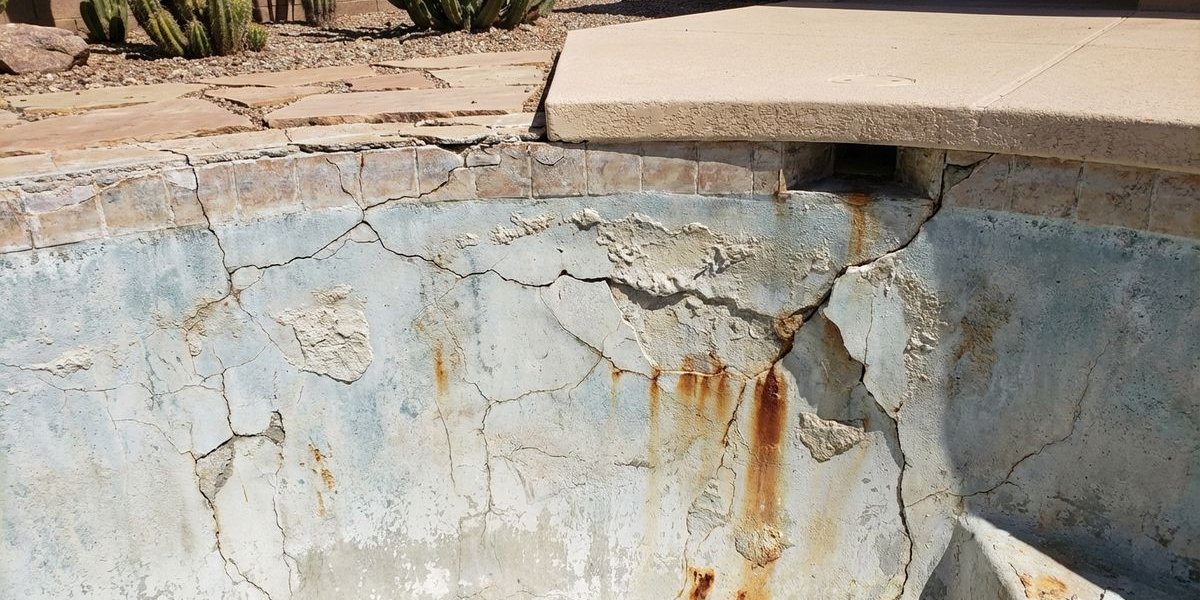
Pools with original plaster (10+ years old) are more porous. We find that the iron and tannins in organic storm debris penetrate these older surfaces faster, leaving dark brown stains that are difficult to remove without an acid wash.
Structural “Crazing”
Rapid temperature drops occur when 65°F rain hits 95°F pool water and scorching concrete. This thermal shock can cause “crazing”—tiny, web-like surface cracks in brittle, aged plaster. While usually cosmetic, these cracks trap algae and dirt.
Drainage Issues and the $2,500 Mistake
Maricopa County and City of Phoenix codes are strict about drainage. Do not drain your pool into the street or a wash.
- The Law: You must drain into your home’s sanitary sewer cleanout (usually a 3-4 inch pipe with a black cap in your front yard).
- The Risk: Fines for illegal draining can reach up to $2,500 if you flood a neighbor’s property or a public right-of-way.
- The Exception: If you must backwash a small amount, ensure it stays on your property (e.g., watering the lawn), provided the chlorine levels are low.
Equipment Damage
Wind-blown sand acts like sandpaper on moving parts. We often see pump bearings fail a few weeks after monsoon season because fine grit penetrated the motor housing during a storm.
Weekly Monsoon Season Maintenance
During active monsoon months (July-August), your routine must change.
| Task | Regular Season Frequency | Monsoon Season Frequency |
|---|---|---|
| Empty Baskets | Weekly | Daily (or after every wind event) |
| Check Filter Pressure | Monthly | Weekly |
| Test Chlorine/pH | Weekly | 2-3 times per week |
| Brush Walls | Weekly | Weekly (Vital for older surfaces) |
| Shock Pool | As needed | Weekly (preventative dose) |
Daily:
- Skim surface debris
- Listen to the pump for grinding noises
- Check water level (drain if getting too close to coping)
Every 2-3 Days:
- Test pH and Chlorine (rain lowers pH; dust raises it)
- Check skimmer functionality (flapper door can get stuck)
Weekly:
- Brush all surfaces, focusing on steps and benches
- Vacuum floor debris
- Add enzymes to break down organic pollutants
Long-Term Monsoon Impacts
Repeated exposure to these harsh conditions accelerates the aging of your pool’s interior.
On Pool Surfaces
Dust particles eventually embed themselves into the matrix of standard plaster. Over time, this creates a permanently rough texture that tears swimsuits and scrapes toes. A high-quality pool resurfacing with a pebble finish is far more resistant to this kind of chemical and physical erosion.
On Water Chemistry
The cumulative effect of adding shock and acid all summer leads to “TDS Creep” (Total Dissolved Solids). By October, your water may be so saturated with old chemicals that fresh chlorine stops working effectively, requiring a partial or full drain.
Post-Season Checkup
After the humidity breaks in late September, it is time to assess the toll the season took:
- Professional Filter Clean: disassemble and deep clean grids or cartridges to remove caked-on silica.
- Phosphate Test: Ensure levels are back near zero to prevent winter algae.
- Surface Inspection: Look for new cracks or delamination (hollow spots) on the pool floor.
- System Audit: Listen to your pump motor for the “screech” of worn bearings.
Need help with monsoon pool problems? Call (602) 619-1234 for assistance.
David
Pool Resurfacing Expert at David Resurface