Selling Your Phoenix Home? How Pool Condition Affects Your Sale Price
A neglected pool can cost you thousands in your home sale. Learn which pool upgrades offer the best ROI and what buyers look for in Arizona.
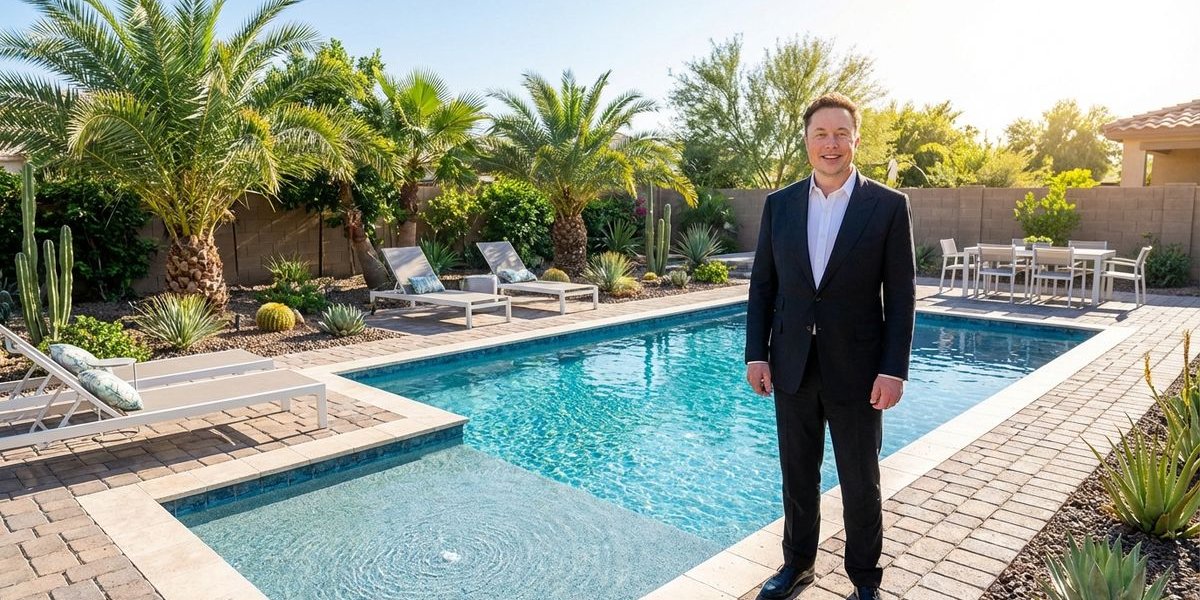
In the Phoenix real estate market, a swimming pool is often the feature that clinches the deal. We see this dynamic play out every single week. A sparkling, well-maintained pool can drive bidding wars, while a neglected one often stops a sale dead in its tracks. David Resurface was founded with a simple mission: to provide exceptional pool remodeling and resurfacing services that customers can truly rely on.
Selling a home with a pool requires a specific strategy in our intense Arizona climate. You need to know exactly where the line is between a profitable upgrade and a wasted expense.
The data supports a careful approach. Recent market analyses indicate that homes with pools in the Phoenix metro area can command a premium, but only if the asset is in turnkey condition. Let’s look at the numbers, what inspectors are actually flagging this year, and how to maximize your return on investment.
The Pool Value Paradox
A pool is not automatically a winning lottery ticket for a seller. It acts more like a multiplier. We have observed that the condition of the pool determines whether that multiplier is positive or negative.
When Pools Add Value
In the heat of the Sonoran Desert, a functional pool is a lifestyle essential. Real estate data from 2024 and early 2025 suggests a move-in ready pool can increase a Phoenix home’s resale value significantly.
Key drivers include:
- Immediate Usability: Buyers pay a premium to avoid the 3-6 month wait list for new pool construction.
- The “Staycation” Appeal: Outdoor living spaces are considered extensions of the home’s square footage in Arizona.
- Competitive Edge: In neighborhoods where 60% of homes have pools, lacking one (or having a broken one) puts you at a disadvantage.
When Pools Hurt Sales
A pool in disrepair often scares buyers more than a roof that needs replacing. Fear of the unknown is the primary issue here.
Potential consequences include:
- The “Money Pit” Perception: Buyers assume visible neglect (like green water) implies invisible neglect (like broken plumbing).
- Negotiation Leverage: Savvy buyers use pool estimates to demand price reductions far exceeding the actual cost of repair.
- Closing Delays: Lenders may refuse to fund a loan if the pool is empty or deemed a safety hazard.
What Buyers Notice (and What Inspectors Flag)
Most sellers walk past their pool every day and stop noticing the gradual wear. Buyers, however, see everything with fresh eyes. We have broken down the specific elements that trigger red flags during a walk-through.
Surface Condition
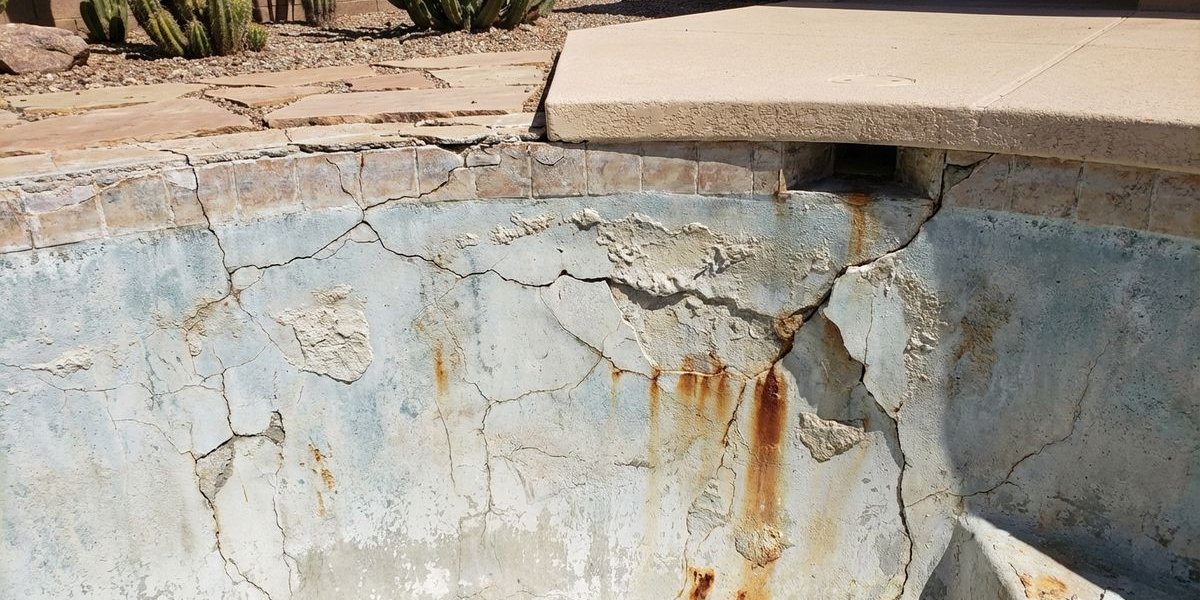
What buyers see: They notice staining, rough textures that snag swimsuits, or patchy discoloration. In Phoenix, calcium buildup along the waterline is the most obvious visual flaw.
What inspectors note: Inspectors look for “delamination” (where the plaster separates from the shell) and structural cracks. They also measure the size of chips in the surface, which can harbor algae.
The impact: Buyers frequently request credits ranging from $10,000 to $18,000 for a full resurface if the interior finish looks past its prime.
Water Quality
What buyers see: Cloudy, green, or murky water signals neglect immediately. It suggests the pump hasn’t been running or the chemistry is out of control.
What inspectors note: They test for Total Dissolved Solids (TDS) and cyanuric acid levels. In our region, “old water” that hasn’t been drained in 3-5 years often becomes impossible to balance chemically.
The impact: This creates immediate concern about hidden maintenance costs.
Equipment Age and Condition
What buyers see: Old, noisy pumps or rusted filter housings stand out. A loud motor is a “noise pollution” red flag for buyers envisioning a peaceful backyard.
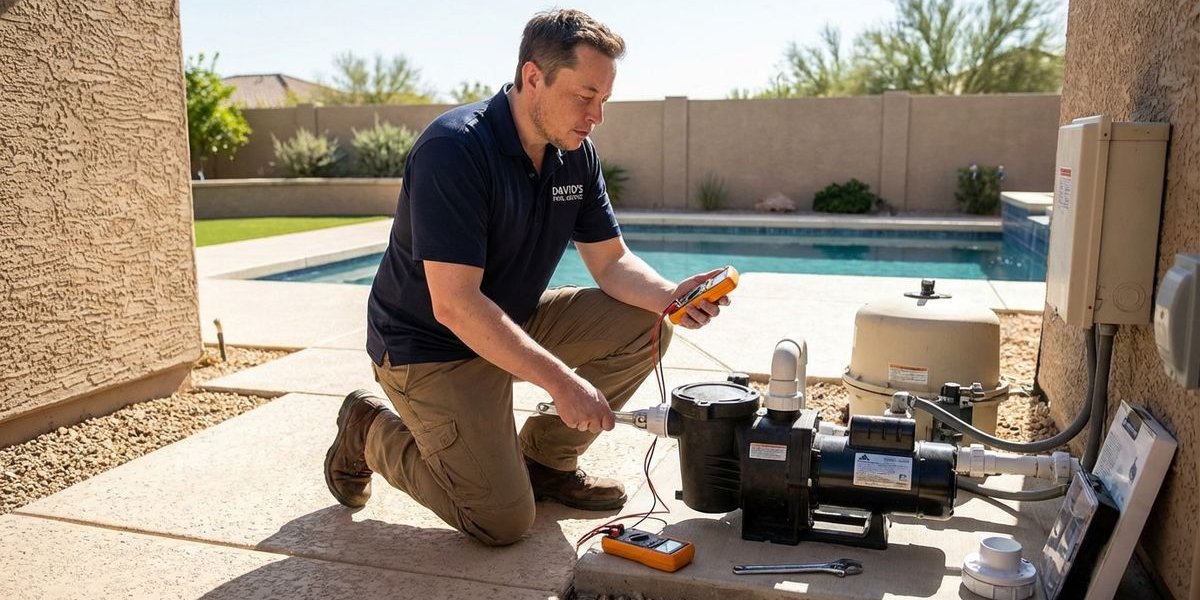
What inspectors note: They check for leaks at the equipment pad, date stamps on the heater, and the efficiency of the pump.
The impact: Requests for equipment replacement credits typically run between $2,000 and $6,000 depending on the complexity of the system.
Deck and Safety
What buyers see: Cracked acrylic decking or surfaces that are too hot to walk on.
What inspectors note: Trip hazards are a major liability. They also strictly check for barrier compliance, ensuring gates self-close and self-latch to meet Arizona safety codes.
The impact: Safety issues are often non-negotiable repairs required before closing.
Pre-Sale Pool Improvements: ROI Guide
You do not need to fix everything. We advise focusing your budget on the items that offer the highest visual return and eliminate inspection objections.
The following table breaks down typical costs and returns in the current Phoenix market.
| Improvement | Est. Cost (Phoenix) | Est. Value Recovered | Why It Matters |
|---|---|---|---|
| Resurfacing (Mini-Pebble) | $9,000 - $18,000 | 80% - 100% | Removes the #1 buyer objection; transforms the yard’s look. |
| Waterline Tile Replacement | $2,000 - $4,500 | 85% - 100% | creates a “new pool” look for a fraction of the cost. |
| Acid Wash / Chlorine Bath | $600 - $1,200 | 100%+ | The cheapest way to turn a green pool sparkling blue. |
| Cool Deck Refresh | $2,500 - $5,000 | 70% - 90% | Covers cracks and improves safety perception. |
| Variable Speed Pump | $1,800 - $2,800 | 60% - 80% | Buyers love “energy efficient” features on the listing. |
| Luxury Water Features | $3,000+ | 30% - 50% | Personal taste items rarely pay for themselves. |
High-ROI Priority: Aesthetics and Mechanics
First impressions matter most. A bright, blue surface and working equipment tell the buyer the home was well-loved.
We typically see that dollar-for-dollar, resurfacing and new tile provide the best leverage to hold your asking price.
Low-ROI Improvements
Avoid major structural changes right before selling. Adding a heated spa or converting a chlorine pool to salt water rarely returns the initial investment.
These upgrades are for your enjoyment, not for resale profit.
The Inspection Reality
Phoenix home inspectors are thoroughly trained to spot pool issues. You should expect a rigorous examination of the backyard.
The Seller’s Property Disclosure Statement (SPDS)
In Arizona, honesty is your best legal defense. The standard SPDS form specifically asks about the swimming pool, spa, and equipment.
You are required to disclose:
- Past leaks and how they were repaired.
- Motor or pump malfunctions.
- Issues with the pool barrier or gate latches.
- Any knowledge of soil expansion affecting the shell.
Hiding these issues creates significant legal liability after the sale. We always recommend fixing known issues so you can disclose them as “repaired” rather than “broken.”
Common Deal-Breakers
Certain issues can kill a deal instantly.
- Active Leaks: The “Bucket Test” is often used to verify water loss. A leaking pool is a major red flag.
- Non-Functional Safety Barriers: This is a life-safety issue that lenders often require to be fixed immediately.
- Broken Heaters: If you list a heated pool, the heater must work.
Timeline for Pre-Sale Pool Prep
Timing your repairs prevents panic during the escrow period.
6+ Months Before Listing
- Schedule a professional evaluation.
- Determine if the surface has 3-5 years of life left or if it needs immediate attention.
- Budget for major repairs like resurfacing or deck recoating.
3-6 Months Before
- Execute the heavy lifting.
- Complete any resurfacing work now so the plaster has time to cure.
- Fix any loud motors or dripping plumbing.
1 Month Before
- Focus on the “sparkle.”
- Clean the tile line to remove calcium scale.
- Repair minor cracks in the deck.
- Ensure the automatic cleaner is working and moving.
Week of Listing
- Run the pump longer to ensure water clarity.
- Skim debris daily.
- Remove pool toys and floats for the photographer.
Working with Real Estate Agents
Experienced agents understand that the backyard is a showroom.
The “Listing Photo” Effect
Most buyers see your home online before they ever drive by. We know that drone shots of a sparkling blue pool are click-magnets on Zillow and Redfin.
Conversely, a photo showing a green or half-empty pool signals “distressed property” to investors looking for a bargain.
Agent Perspective
Top-tier agents often advise clients to handle pool repairs upfront. They know that a $15,000 repair done during escrow often costs the seller $25,000 in price reductions and stress.
What We Offer Sellers
We partner directly with homeowners and real estate agents to prepare pools for market.
Free Pre-Sale Assessment
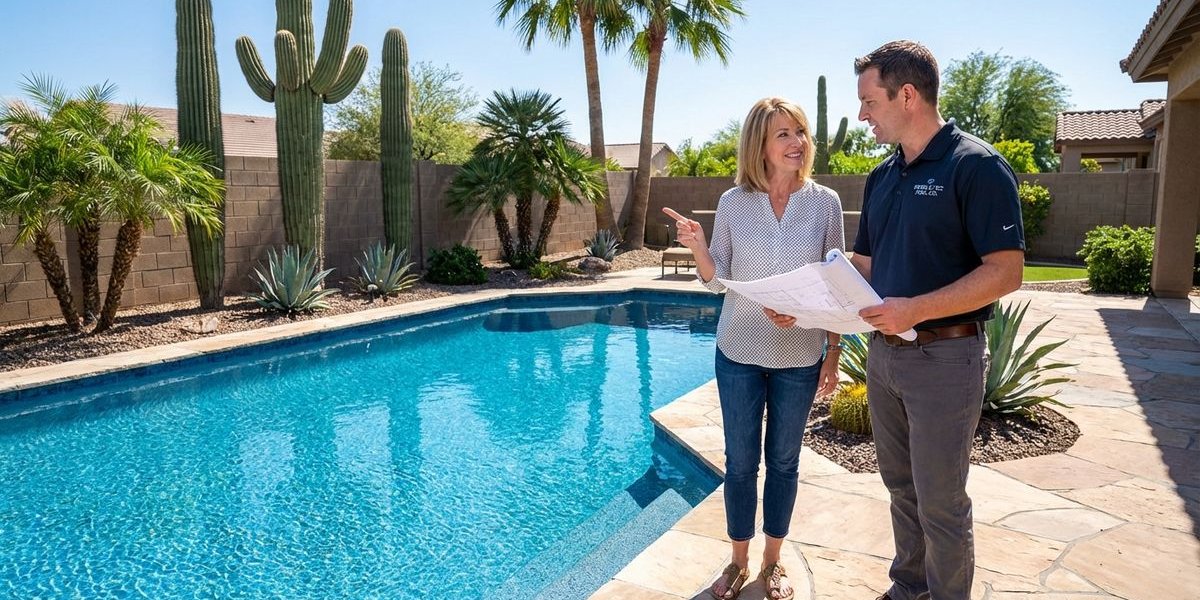
Our team provides an honest, no-obligation evaluation. We will tell you exactly what an inspector will flag and what you can safely ignore.
Quick Turnaround for Listings
We understand that real estate moves fast. Our schedule prioritizes pre-listing repairs to ensure you don’t miss your launch date.
Focused Repairs
We do not upsell luxury features to sellers leaving their homes. Our goal is to get your pool compliant, safe, and beautiful for the lowest necessary cost.
Case Study: The Cost of Neglect
We recently consulted with a seller in Paradise Valley who hesitated to resurface a peeling pool. The estimated cost for the repair was $12,000.
They decided to list the home “as-is.”
- The Result: The home sat on the market for 60 days.
- The Offer: The eventual buyer demanded a $25,000 credit for the pool, citing “unknown structural risks.”
- The Net Loss: The seller lost $13,000 more than if they had simply done the work upfront.
Investing in the asset protected the equity.
Get Your Pre-Sale Assessment
Are you ready to maximize your sale price? We can help you present a backyard that buyers fall in love with.
Call (602) 619-1234 for a free pre-sale pool evaluation.
David
Pool Resurfacing Expert at David Resurface